Ideas for software that can explain itself.
Essays on engineering graphs, trustworthy AI agents, software memory, and the systems we are building at Helix.
Notes from the work.
Clear thinking about the context, evidence, and relationships modern engineering teams need.
OpenClaw 2.0 said the gateway is the trust domain. The graph is the security docs.
We indexed the latest 44 merged PRs on openclaw/openclaw with Helix. The change center isn’t the sandbox — it’s gateway security docs and the install-policy scan.
Continue reading 02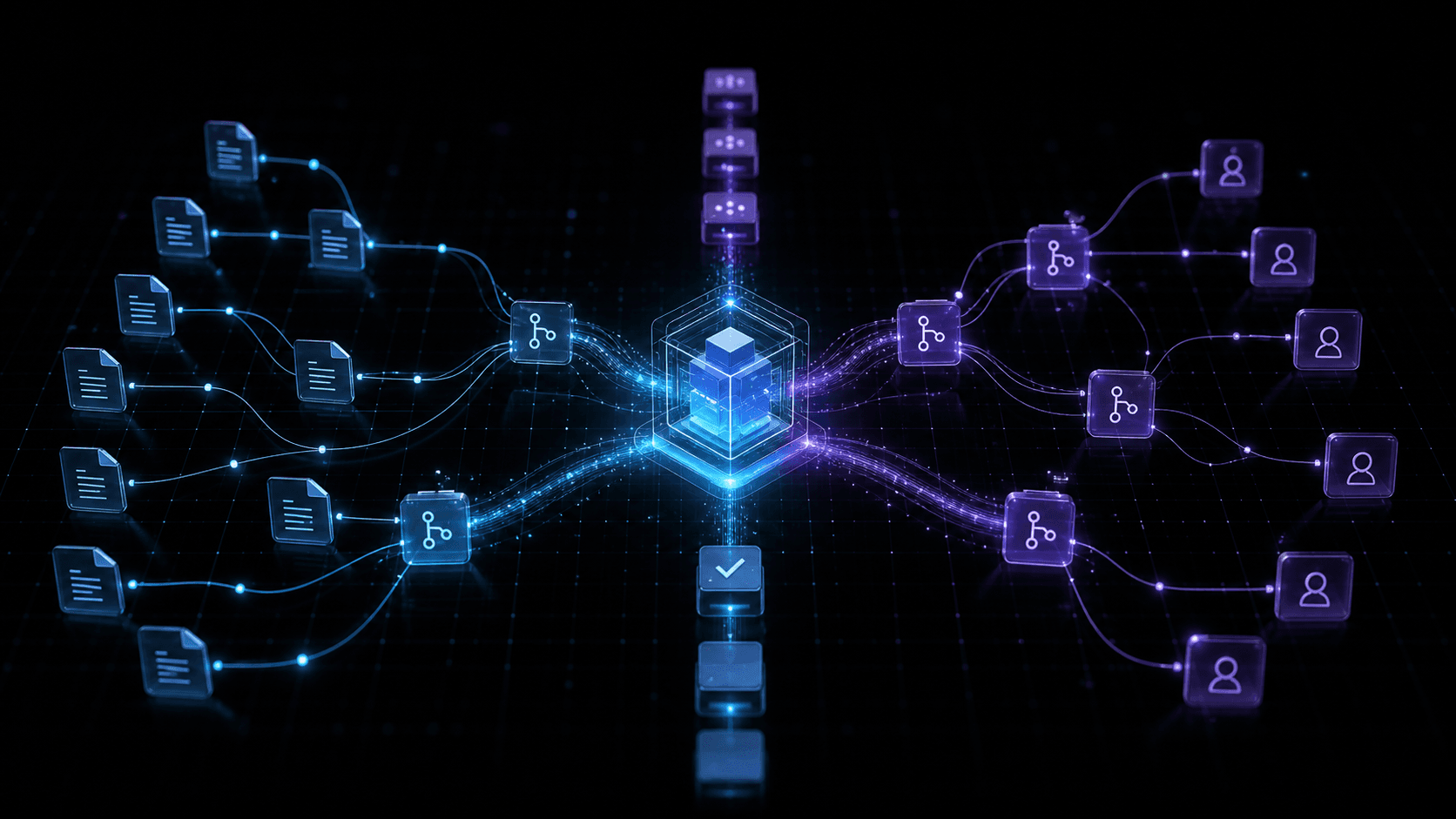
How to build an Engineering Graph from GitHub data
A practical architecture for turning repositories, pull requests, commits, reviews, owners, and incidents into a graph that explains how software actually works.
Continue reading 03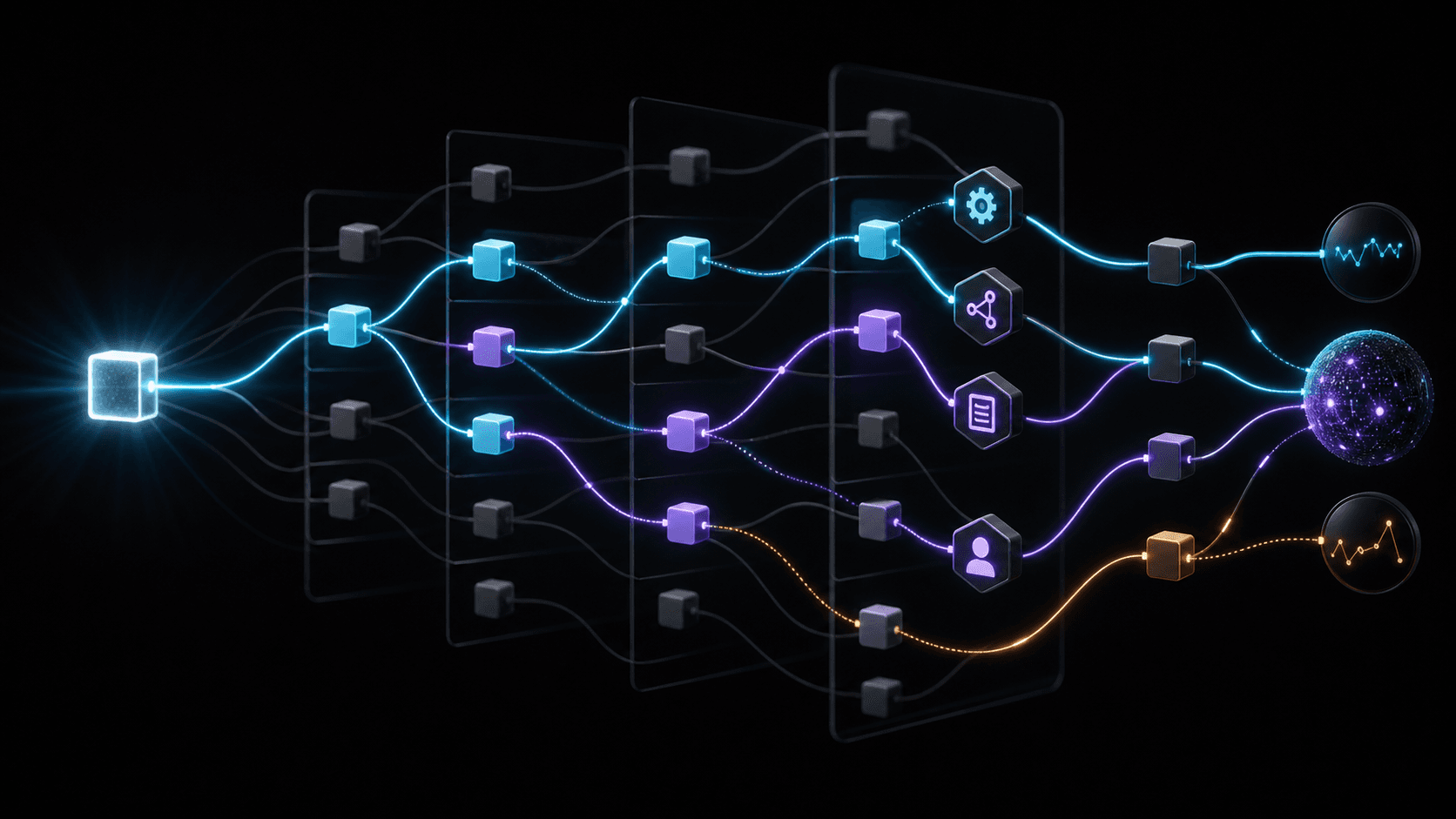
Software change blast radius: a graph-first guide
Why file search misses the real impact of a code change—and how relationship paths reveal affected services, owners, tests, and production risks.
Continue reading 04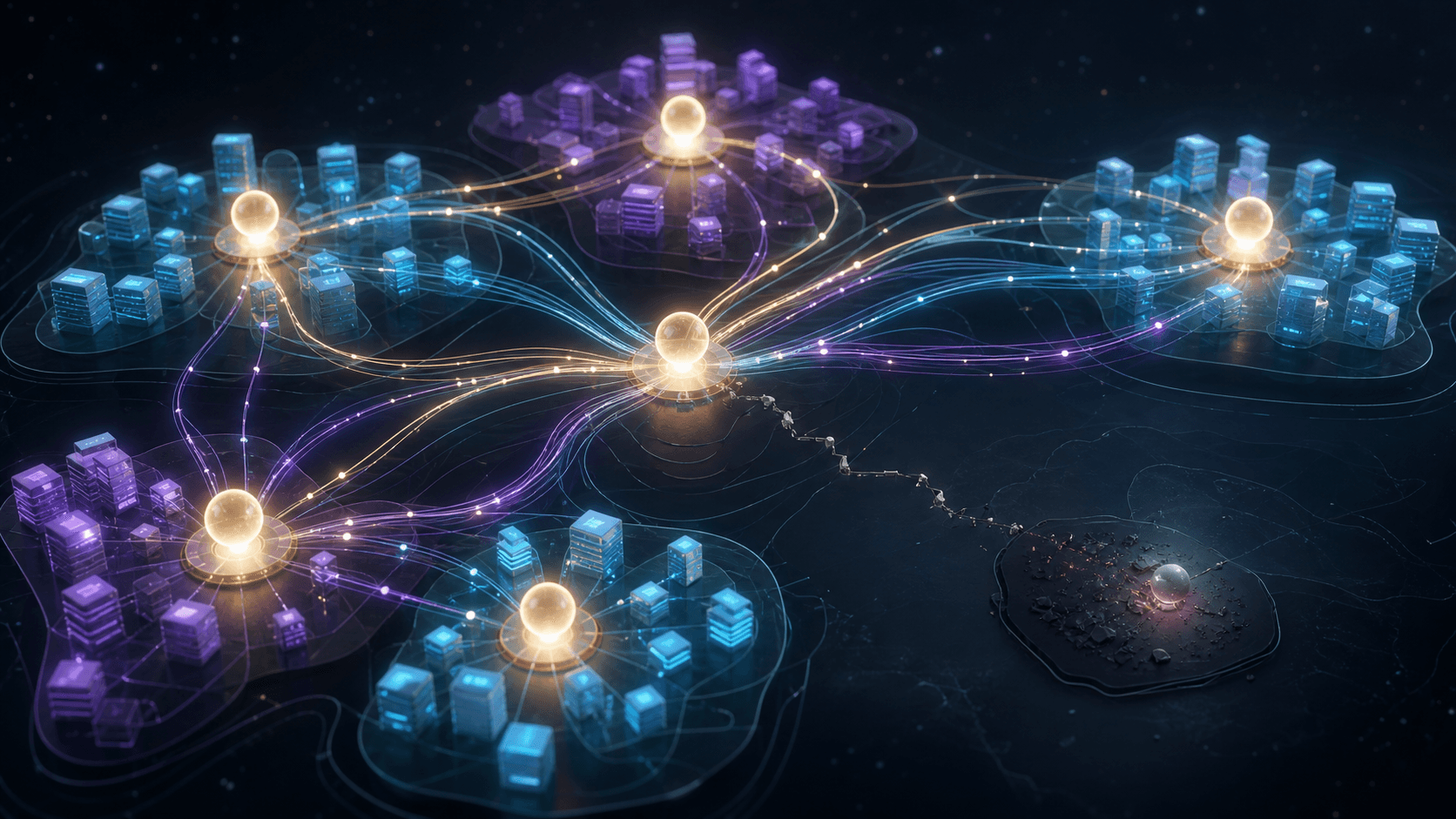
Code ownership is a graph, not a CODEOWNERS file
A practical model for combining declared ownership, review history, expertise, incidents, and team boundaries without confusing activity with authority.
Continue reading 05Evidence, not another AI review
Autonomous software work needs an independent trust layer that verifies both how an agent behaved and what its code actually achieved.
Continue reading 06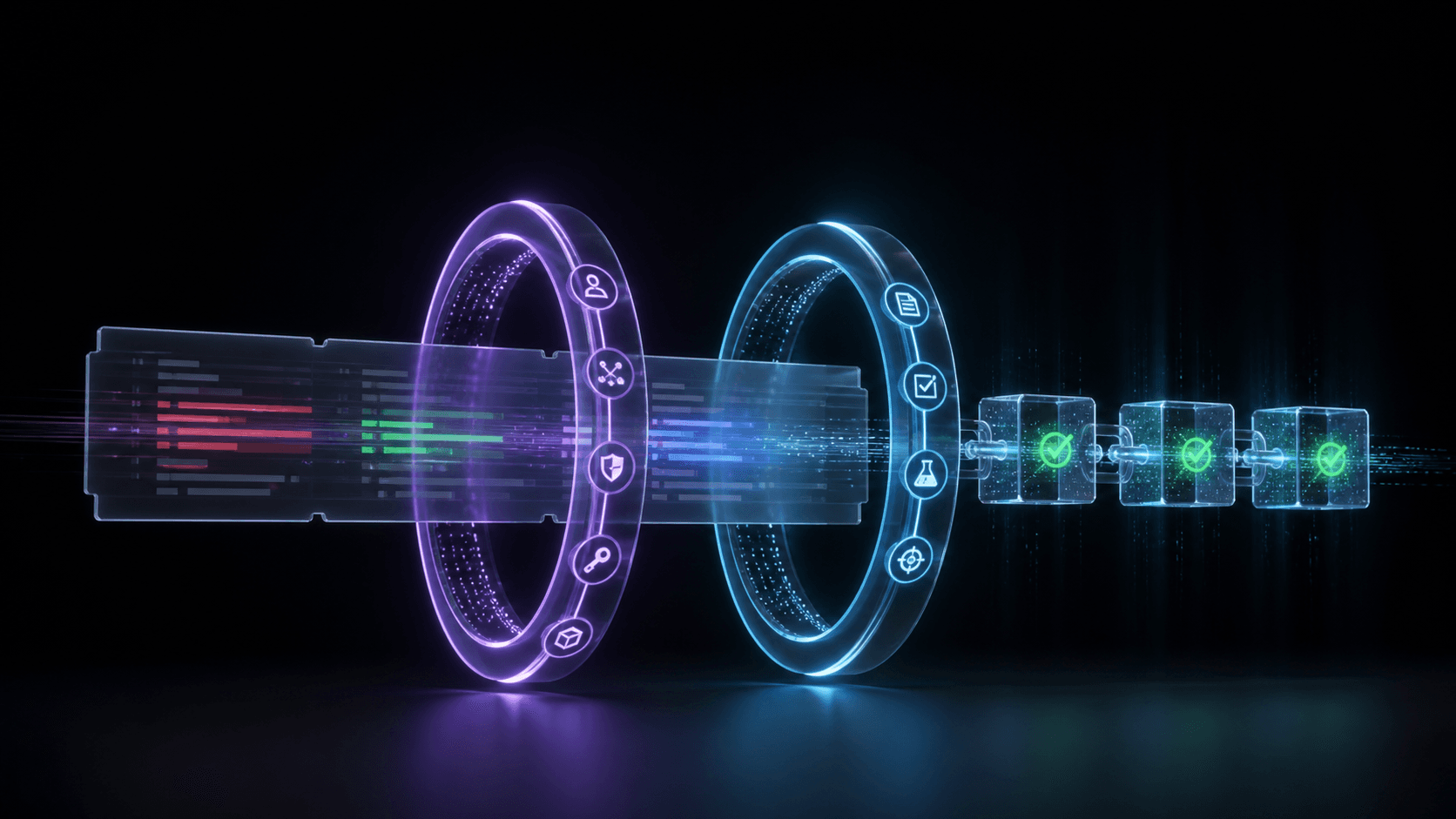
Evidence-backed AI code review: what a trustworthy report needs
A concrete framework for AI code review that separates facts, inferences, requirements, tests, agent behavior, and human judgment.
Continue reading 07
The missing trust layer for autonomous coding agents
Coding agents are becoming production actors. Here is the architecture teams need to govern execution, verify outcomes, and preserve durable evidence.
Continue reading 08Engineering graphs for agentic software
How graph-shaped context gives coding agents better retrieval, safer plans, and feedback loops that improve with every engineering event.
Continue reading 09
Software memory: how to preserve why engineering decisions were made
A durable model for connecting architecture decisions, pull requests, incidents, code, and outcomes so teams stop repeating the same archaeology.
Continue reading 10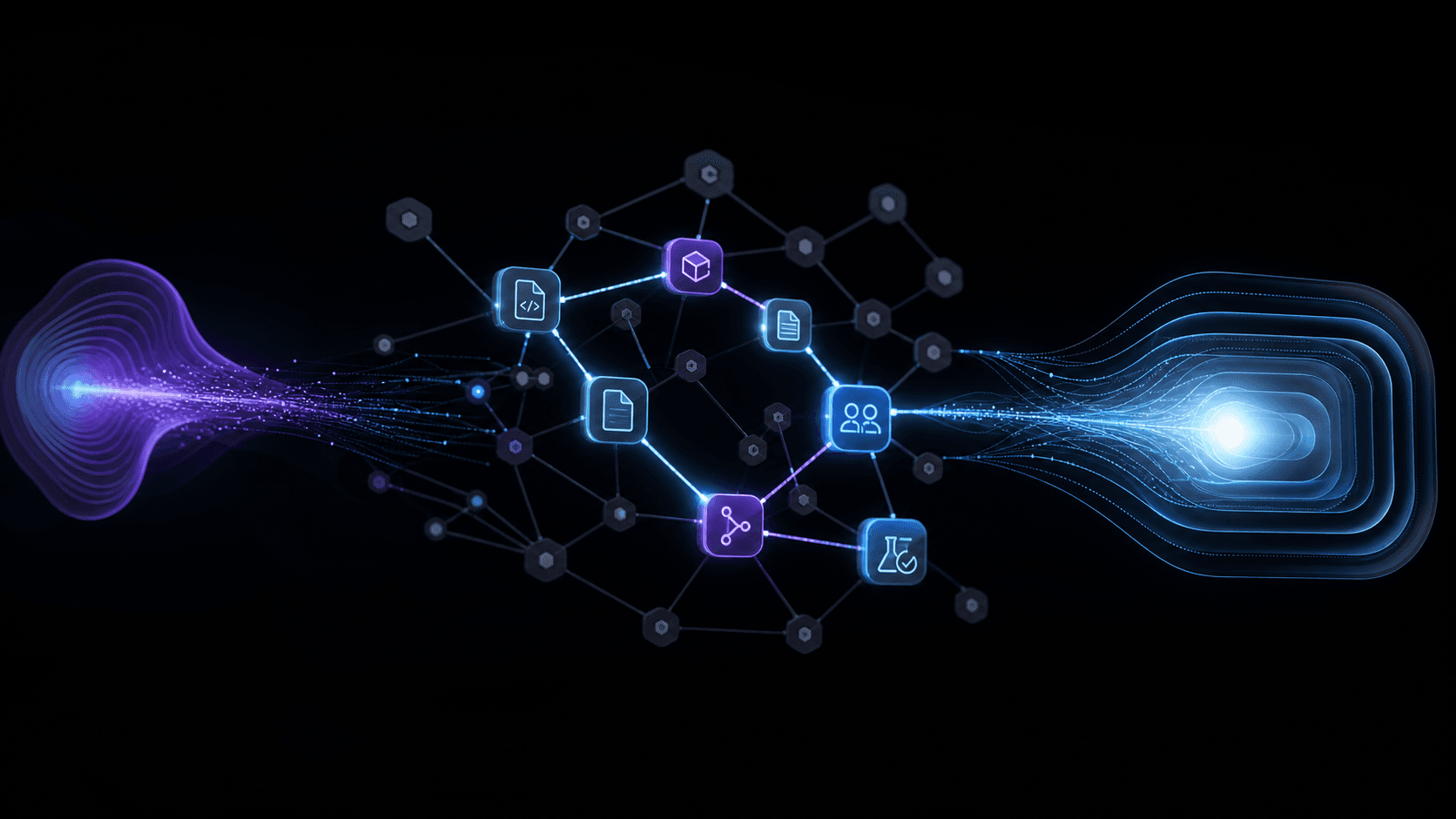
GraphRAG for codebases: how to answer engineering questions with relationships
A practical retrieval architecture that combines knowledge-graph traversal, code evidence, and language models for better codebase answers.
Continue reading 11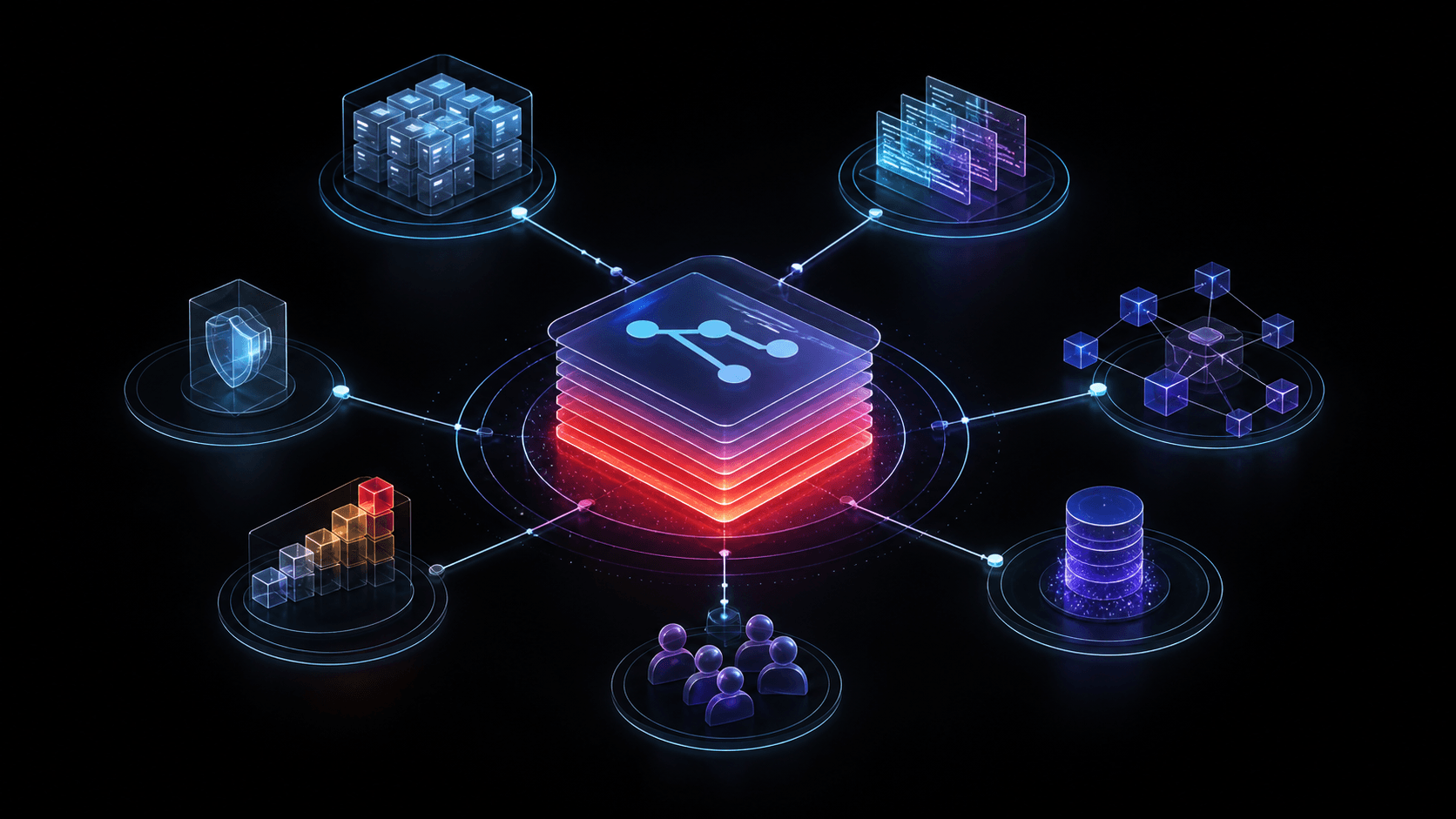
Pull request risk scoring without the black box
How to build an explainable PR risk model from change surface, dependency impact, test evidence, ownership, incidents, and agent execution.
Continue reading 12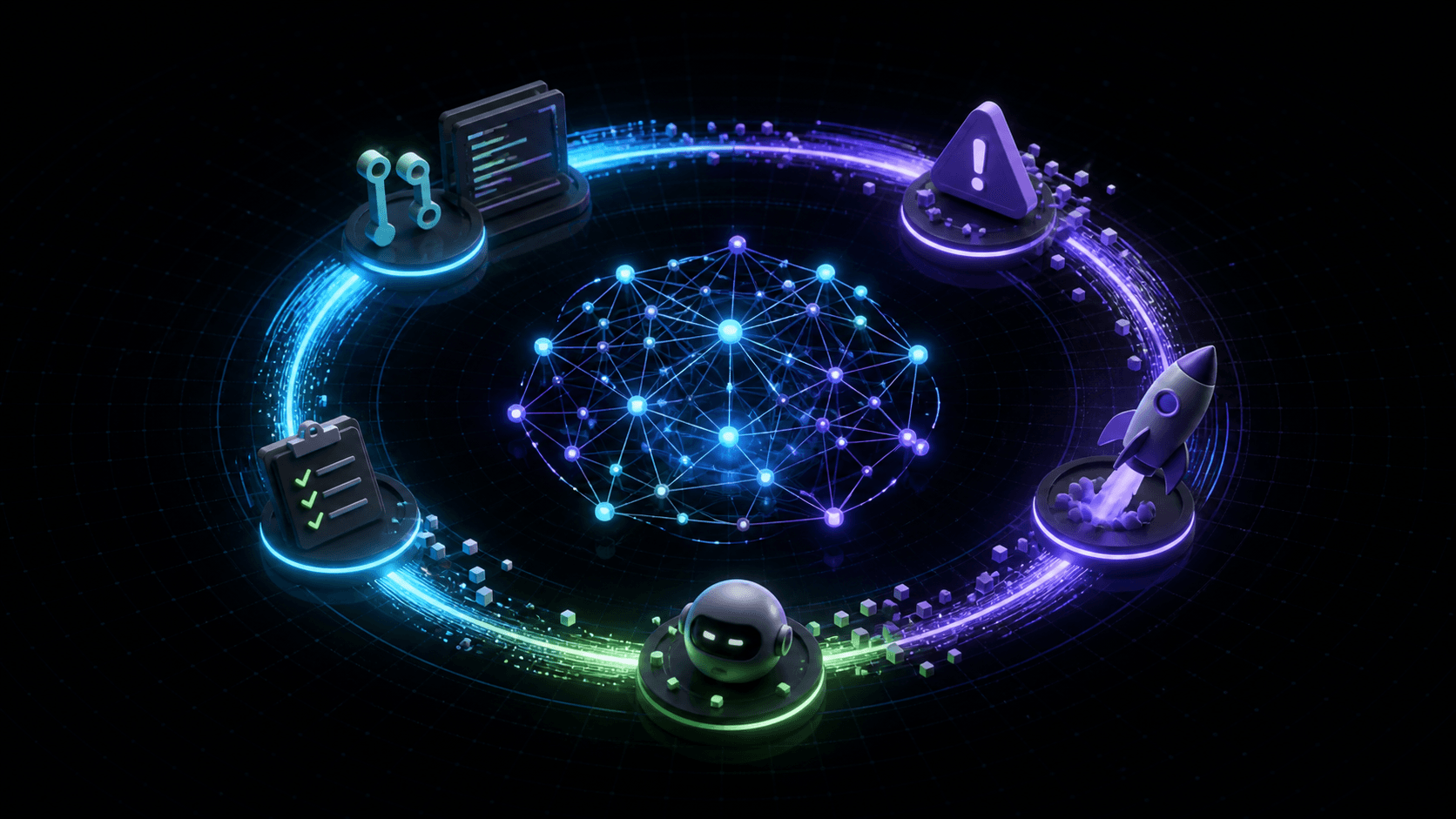
The continuous Engineering Graph: how software understanding compounds
A closed-loop architecture that learns from pull requests, incidents, deployments, agent runs, corrections, and production outcomes.
Continue reading 13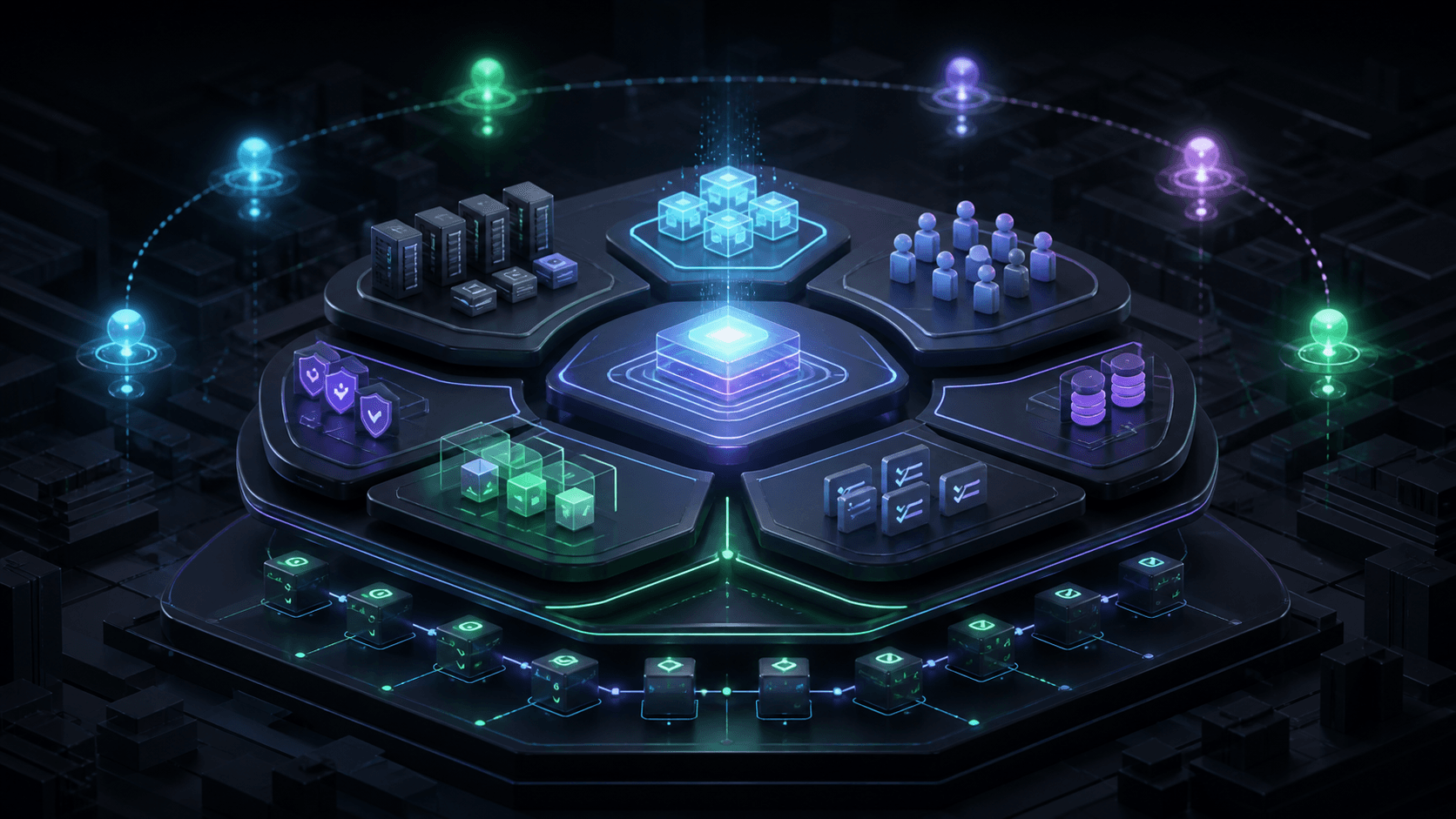
How to prepare your engineering organization for autonomous coding agents
A practical readiness guide for repository context, permissions, sandboxes, verification, ownership, metrics, and rollout boundaries.
Continue readingBuild with context.
Ship with confidence.
See how Helix turns code, decisions, incidents, and ownership into a living Engineering Graph.
Explore the Engineering Graph